-
Title
-
Justice for John (1850-1905)
-
Abstract
-
John was born in Germany on June 13, 1850, a country that, along with others in Europe, had many leave to seek a more promise-filled and stable environment during the 1800s. He eventually settled in Milwaukee County, Wisconsin, where there was already a large German immigrant community growing.
John worked as a machinist, a job requiring a great deal of skill, careful hands, and long hours. As machinists helped to run and repair industrial equipment, they were extremely important in the late 1800s while factories expanded throughout the Midwest.
In Germany, John married Wilhelmine; and together they arrived in the US in 1882. They raised several children, including Alma Sophia, John, Anna Marie, and Martha. The family lived in the Town of Greenfield, where they balanced work, school, and church life within the strong German-American community.
By the early 1900s, John’s health had begun to fail. He contracted tuberculosis, a grave and often lethal disease at the time. He was admitted to the Milwaukee County Hospital, where he died on June 22, 1905, aged 55.
He was buried at the Milwaukee County Alms House and Poor Farm Cemetery.
Part II — Fictionalized Narrative: “The Life, Death, and Disturbed Rest of John”
The otherwise tough job of a machinist was an object of pride for John. Every morning, with his sleeves rolled up, he walked into the workshop, ready to repair gears, pistons, and other metal parts of the town's factories. His co-workers respected him as he was very patient and accurate, teaching younger workers the trade.
At home, John's life was complete with love. His wife, Wilhelmine, would wait for his return from work by the window; his children would run to open the door for him. He taught them small lessons in honesty and hard work, and how others should be treated with respect. And although being an immigrant taught him hard realities like learning English, finding prejudice against his culture, and struggling with low pay, every day John was working to give his children opportunities he had never experienced.
But life in the workshop was demanding, and the long hours amidst dust and crowding laid him open to the weakening of his lungs. When tuberculosis finally took hold of him, it struck fast. In this fictional telling, his final days were filled with fading memories, quiet moments in the hospital, where he asked only one thing:
“Just make sure my family knows I loved them.”
He died serenely, never thinking that his final resting place would ever be disturbed or disrespected.
The Disturbance (Fictional)
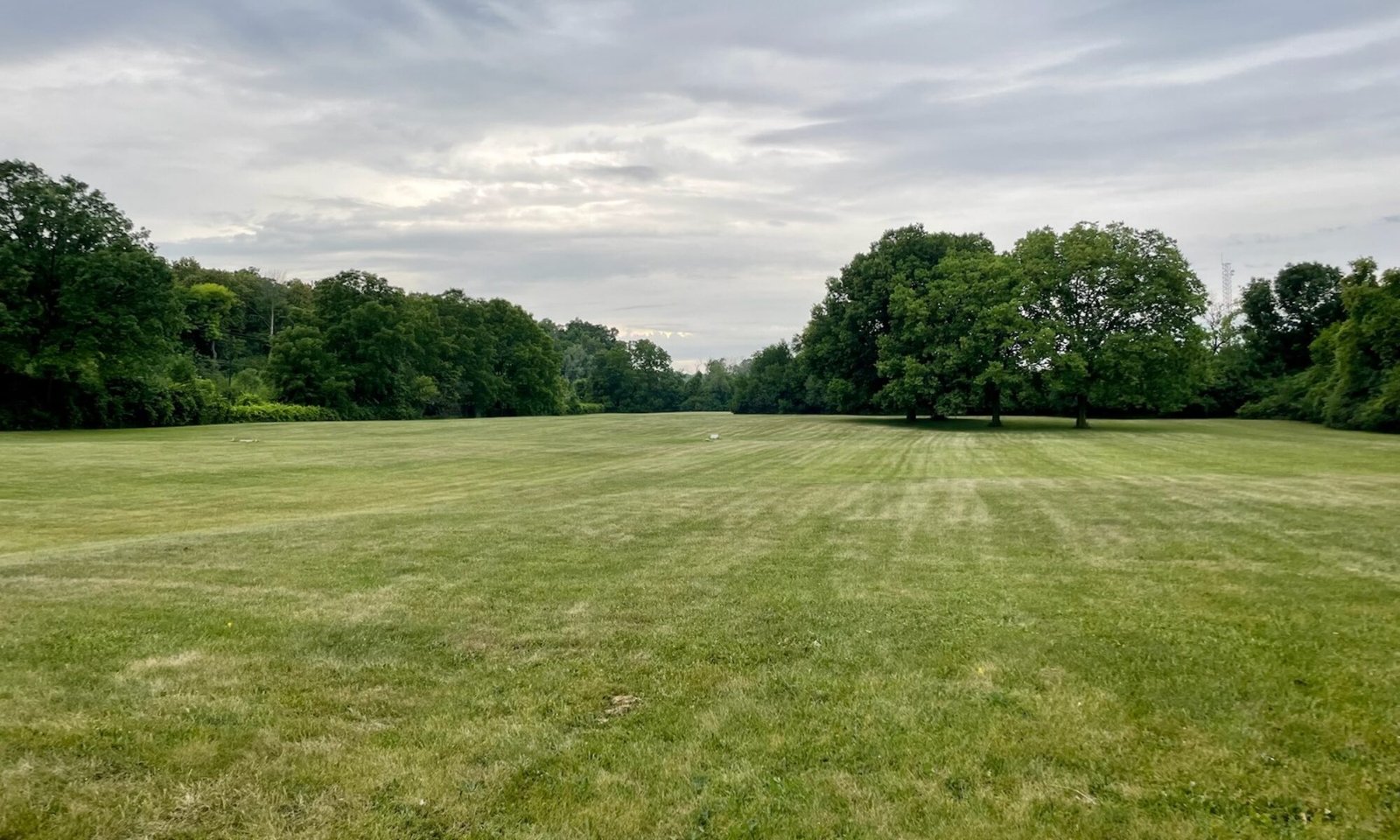
Decades later, long after his family had passed, a construction project was started by Milwaukee County on land that once belonged to the old county poor farm cemetery. In that process, university workers exhumed human remains, including John's.
Over time, burial records became mixed, misplaced, or incomplete. With no ability to identify the exhumed, university staff chose to keep them for research purposes in their storage facility rather than having them re-buried. John, who had worked all his life for stability and dignity, was reduced to a number in a box.
When the truth came out, both historians and descendants demanded answers. They argued that those whose graves had been disturbed were not research subjects—these were human beings who built the county, paid taxes, reared families, and were entitled to respect. Just because they were poor or ill and a so-called burden on Milwaukee County - the marginalized of early 1900’s – they still needed to treat these people with respect, but they didn’t.
Justice for John (Fictional)
After public pressure and community protests, Milwaukee County and UWM faced responsibility. The school admitted that it had handled the remains improperly and agreed to fund the full cost of restoring each person-including John-to a proper and respectful burial. A memorial ceremony was held where clergy, historians, and local families came together to pay their respects to the forgotten. John’s name was spoken aloud, his story shared, and his remains finally returned to the cemetery where he was originally laid to rest. His grave, once disturbed, was restored with dignity-fulfilling the one wish he never spoke out loud but always deserved: to rest in peace.
-
Date
-
November 21, 2025
-
Creator
-
Treyvon

 JOHN 1905 T.docx